BLOG "Wildes Leben"
We regularly report on current developments in the project, how the behaviour of wildlife is changing, and how biodiversity is thriving.
The blog is a direct window into nature. It shows how sustainable processes unfold and the stories they tell.
Where science meets experience
In the project “Hunting-Free Ecosystems,” an exciting space is currently emerging in which scientific insights and diverse practical experiences enter into exchange. Many of you have already actively supported this process – and from it, a picture is developing that goes far beyond individual fields of expertise.
A diverse spectrum of perspectives
The first round of discussions with key stakeholders has now been completed. The openness and nuance with which hunters, livestock keepers, nature photographers, nature guides, ecologists, cultural institutions, and other experts have shared their perspectives shows us this: we are working together on an issue that resonates — and one that we can only fully understand in all its complexity when many perspectives come together.
Article: Di 02. Dez. 2025
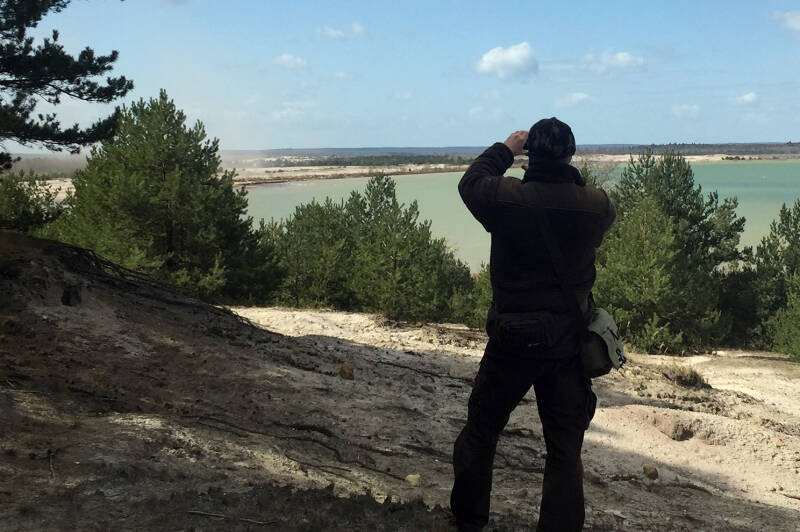
It is impressive to see how an increasingly clear picture is emerging of the challenges and possible courses of action that shape hunting-free ecosystems. Established practical knowledge, scientific assessments, and everyday observations interlock here and open up new approaches for further developing the model.
The next step: a joint meeting in the new year
The next step is an exchange among all involved stakeholders. We look forward to jointly reflecting on the insights gained so far and taking up new impulses. The aim is to further refine and sharpen the “hunting-free ecosystems” model based on the diverse professional backgrounds.
A research process with a future
With every piece of feedback, every conversation, and every new insight, a shared understanding grows of how a future coexistence between humans and wildlife can be shaped. We look forward to continuing this journey with you and jointly shaping the next steps of the project.
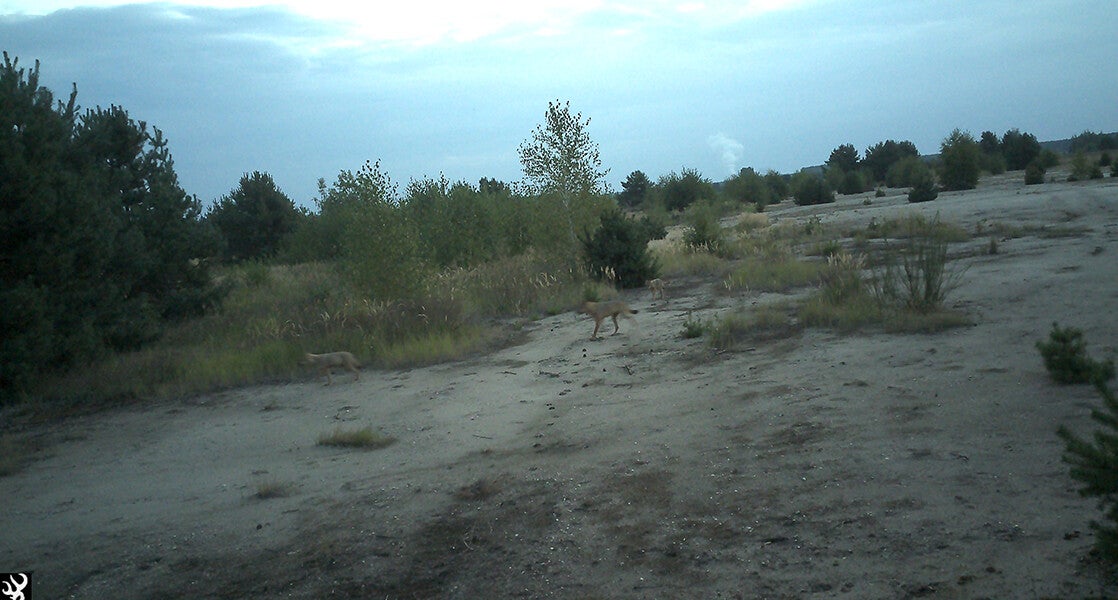
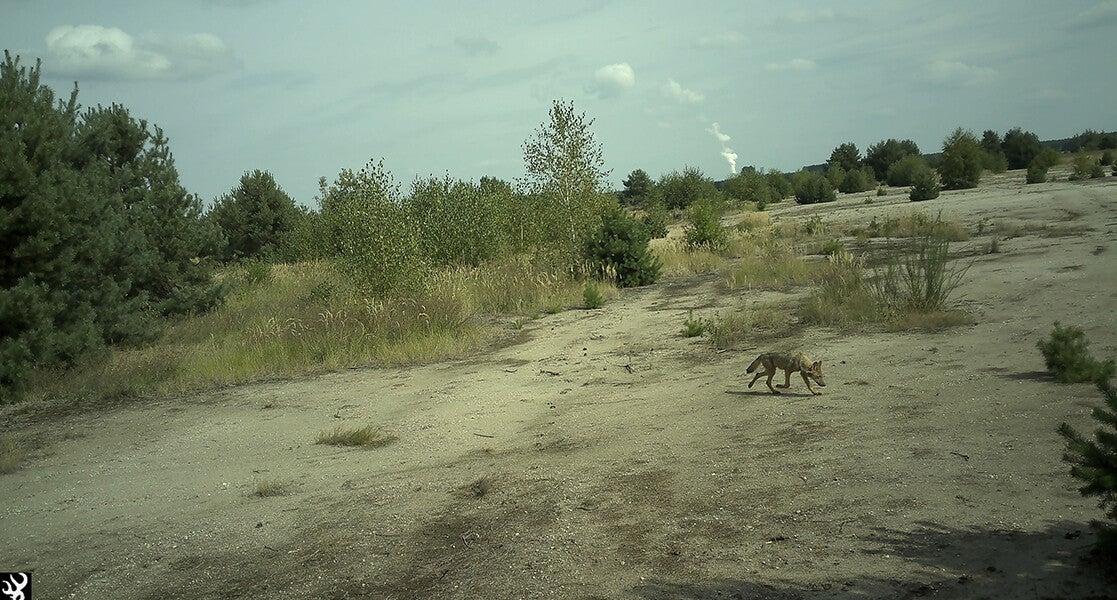
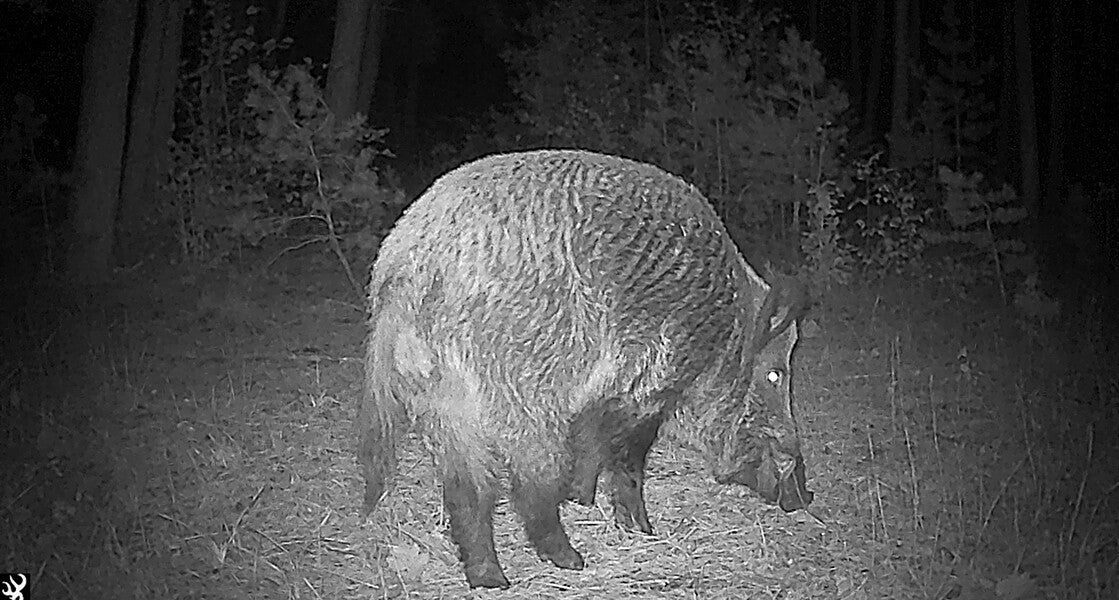
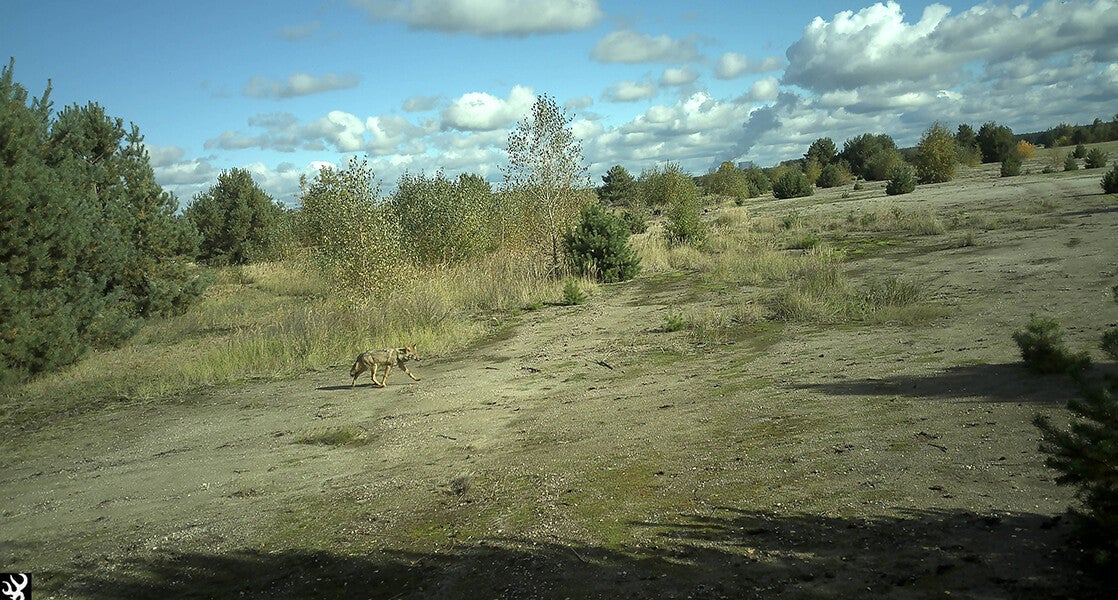
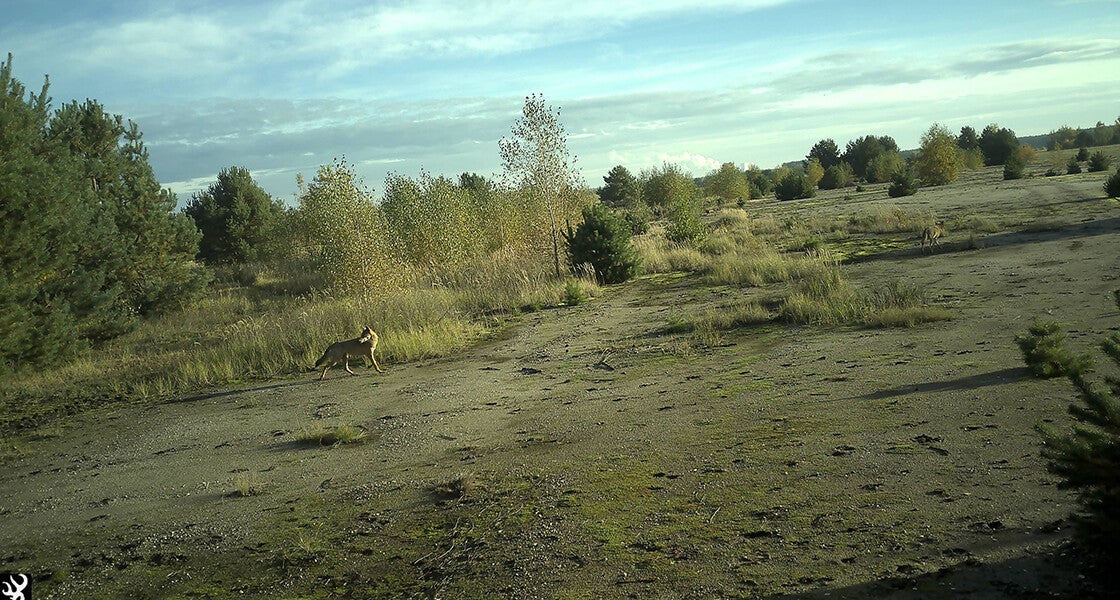
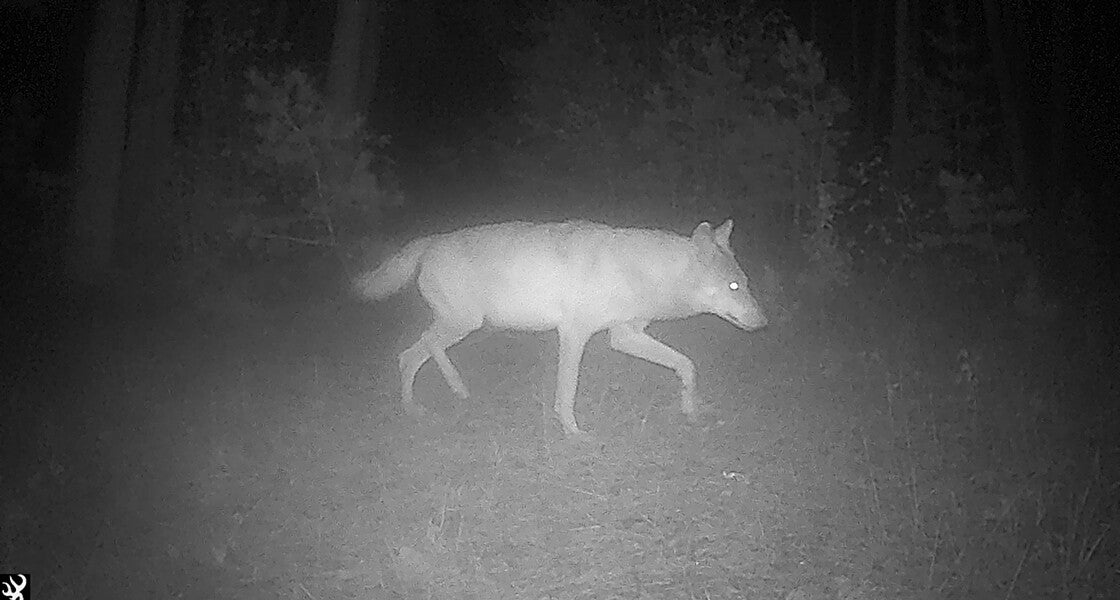
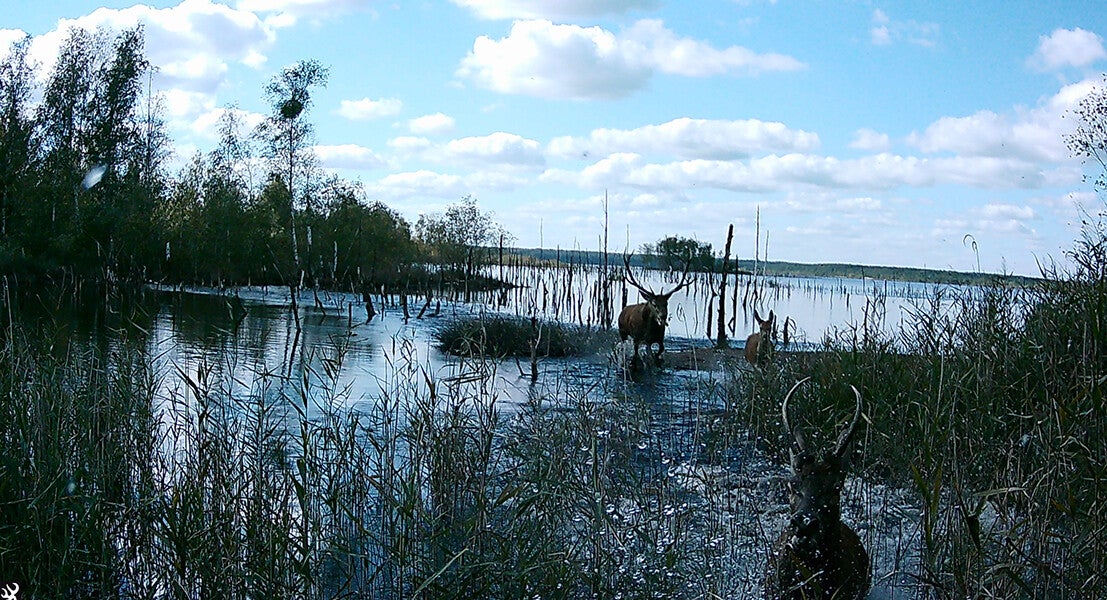
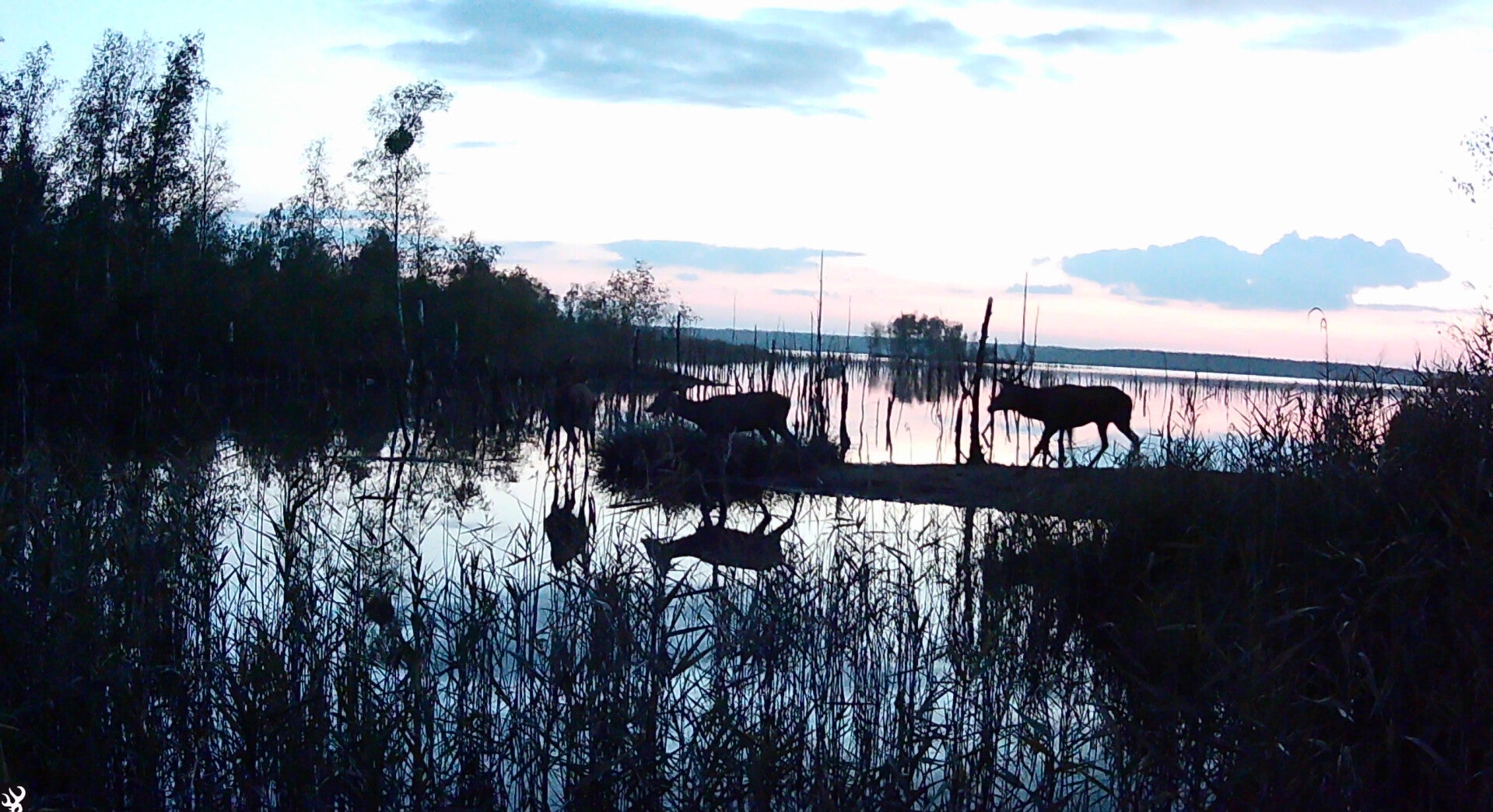
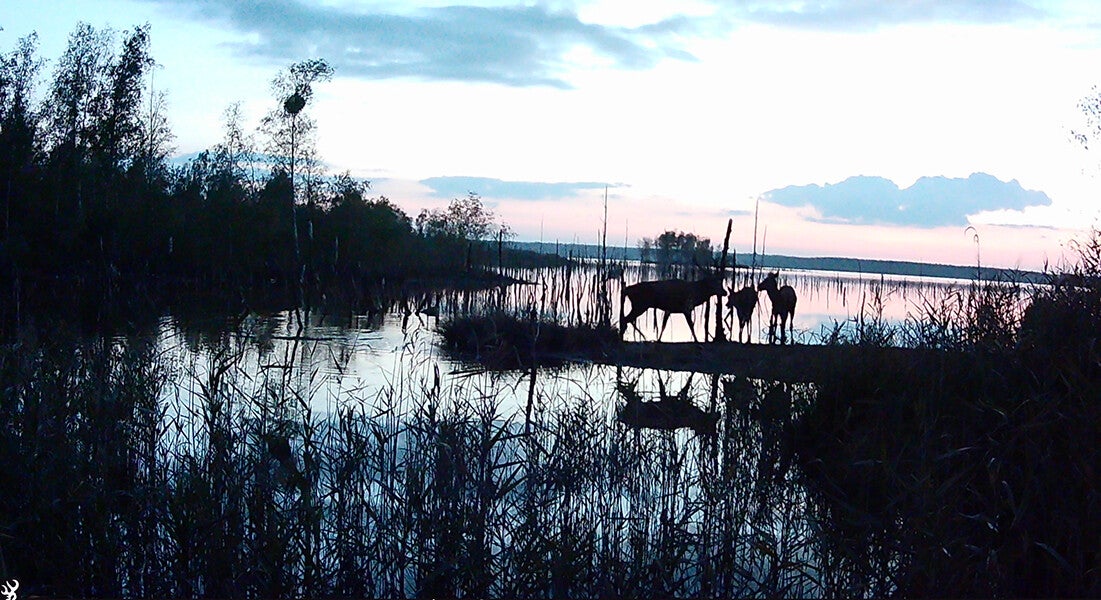
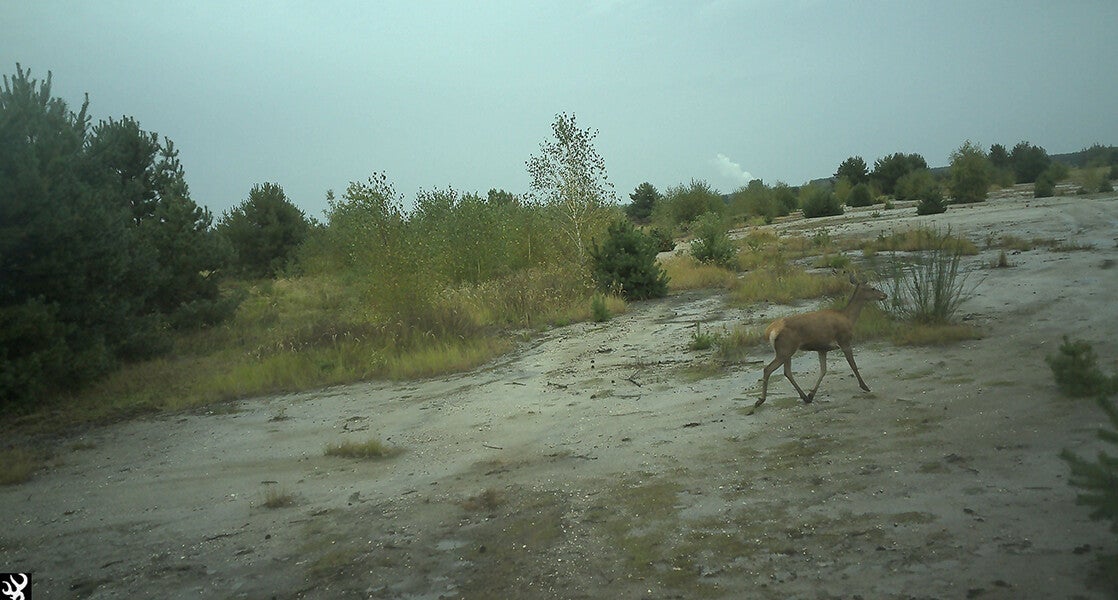
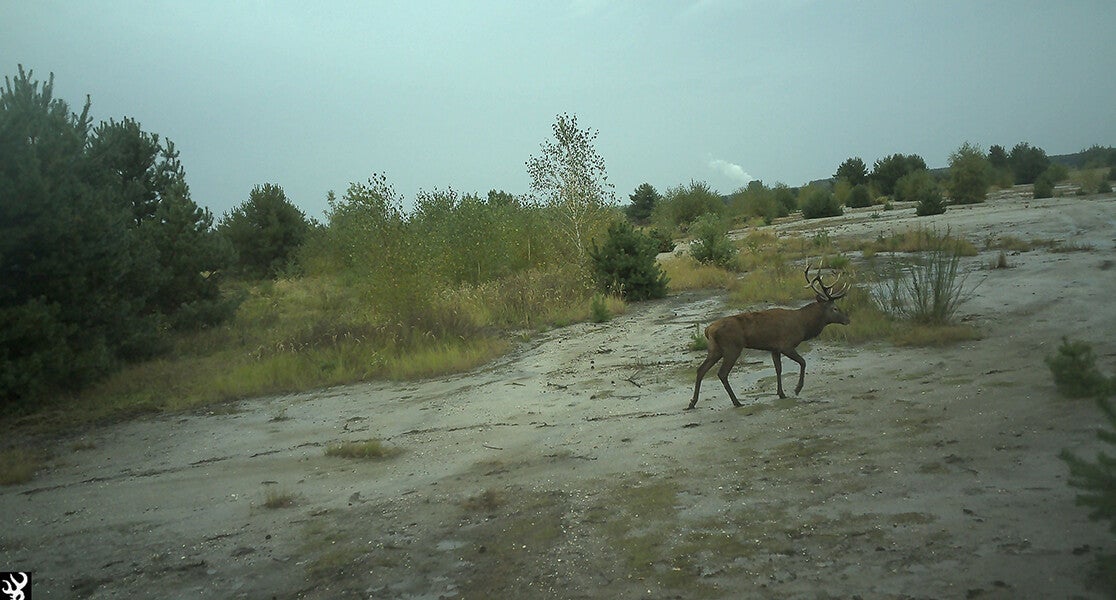
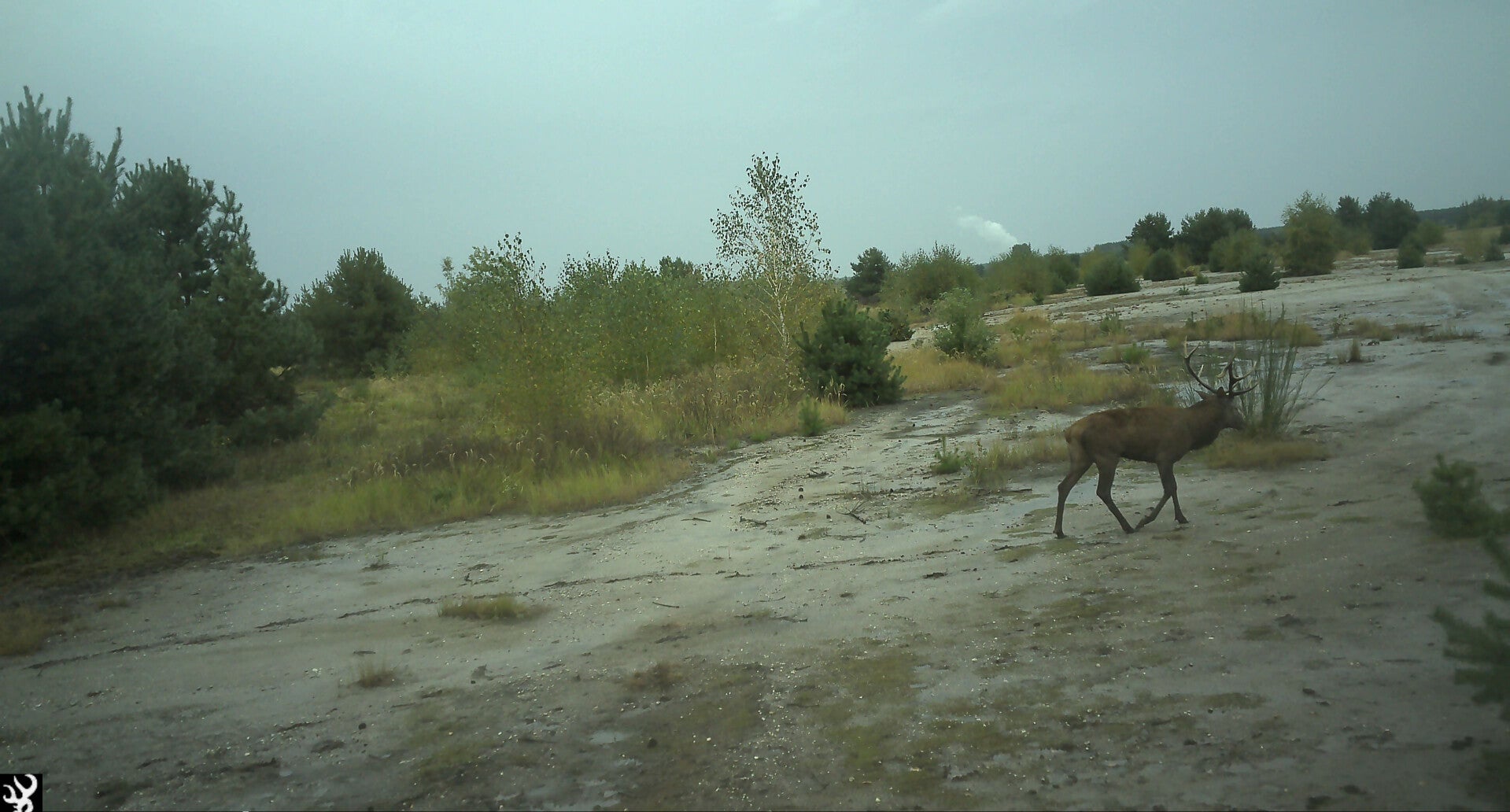
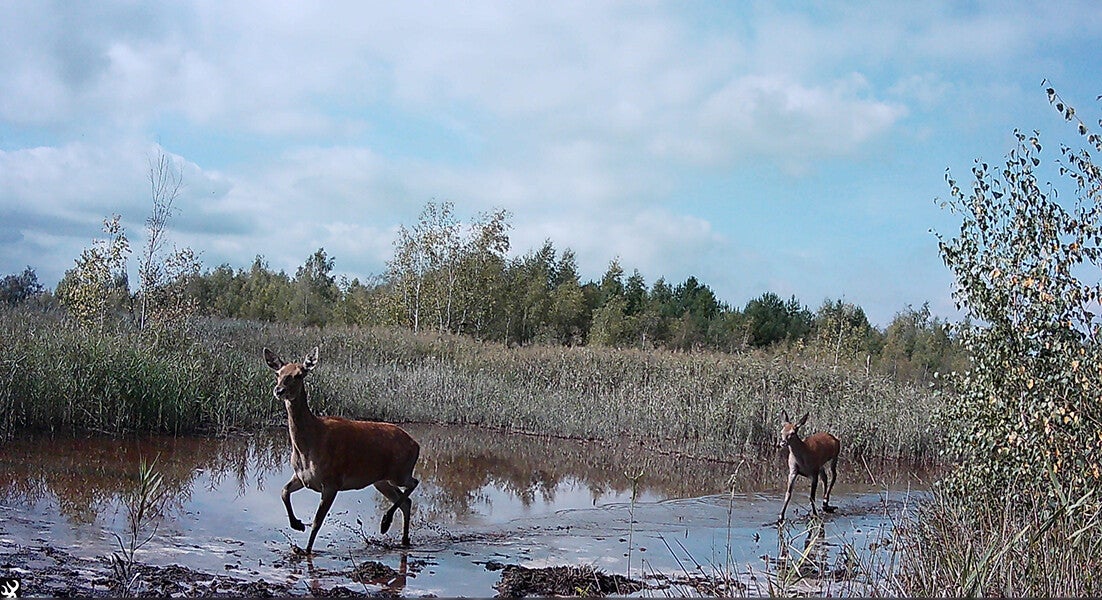
First insights into the wildlife camera footage
Relaxed animals in the Bergener See protected area
.
Article: Do 05. Nov. 2025
Many thanks to all donors who made these images possible.



The Old She-Wolf of Bergener See
A remarkable wolf’s story from Sachsen
.
At the end of September 2025, an extraordinary wolf’s life came to an end: the female wolf GW180f, one of the oldest known wolves in Saxony, was found dead in the Elsterheide at the age of 13. Examinations confirmed that she died of natural causes — a rare and almost comforting end in a world where wolves often perish early due to accidents, disease, or human impact.
Core territory at Bergener See: GW180f originated from the Milkel pack and founded the Knappenrode/Seenland pack in 2013. For many years, her core territory lay in the surroundings of Bergener See, a post-mining landscape designated as a restricted area. This special situation offered her an ideal refuge: undisturbed, rich in resources, and free from hunting pressure.
Article: Mo 13. Okt. 2025

Since April 1st, 2025, the area has also been officially hunting-free. Today, it provides a home for a new pack — whether they are her direct descendants is currently being examined genetically.
Offspring and pack life:
Over the years, GW180f gave birth to numerous offspring. Particularly noteworthy was the year 2019/20: together with her daughter GW1199f, a double reproduction occurred — both females had litters. A total of ten pups could be verified. This made her pack one of the largest in the Lusatian wolf region.
A rare, long wolf’s life:
In the wild, wolves rarely live beyond ten years. That GW180f reached the age of 13 is exceptional. She owed her long life in part to the protected habitat she occupied. The fact that she was able to remain in her familiar territory in old age and illness — and did not die due to external violence — makes her story particularly meaningful.
----------------------------------
The old she-wolf of Bergener See shows how valuable low-disturbance refuges are within our cultural landscape. Her life stands for adaptability and the importance of undisturbed ecosystems. Her legacy lives on in her descendants — and perhaps even in the new pack at Bergener See.
Bat Conservation
From Open-Cast Mining to an Attractive Habitat
.
The project “Wildes Lebes” pursues the vision of creating hunting-free, low-disturbance ecosystems in which game species can also develop undisturbed. An impressive example of this idea can already be found in the Lusatian Lake District since 2005, where former open-cast mining areas have transformed within just a few years into valuable habitats for bats.
Bats respond sensitively to landscape quality, as they depend on both abundant food sources and suitable roosting sites. Their return and growing diversity clearly demonstrate how the post-mining landscape has become a refuge for numerous animal species.
Article: Mi 01. Okt. 2025

Bats such as the Noctule (Nyctalus noctula), the Daubenton’s bat (Myotis daubentonii), and the whiskered bats (Myotis brandtii, Myotis mystacinus) are among the key target species of conservation projects in the Lusatian Lake District.
The Noctule prefers to hunt large flying insects such as moths and beetles, which it captures in open airspaces above meadows, forest edges, or bodies of water. It uses old tree cavities in structurally rich forests as roosts. Daubenton’s bat, on the other hand, specializes in hunting directly over water surfaces, where it catches mosquitoes, caddisflies, and other small insects. It depends on open water surfaces and shelters in tree cavities or structures such as bridges. Whiskered bats are true forest dwellers that feed on small insects like mosquitoes, flies, and leafhoppers. They require structurally diverse landscapes with hedgerows and forest edges and use narrow crevices in trees or buildings as roosts.
Between 2005 and 2024, numerous projects were implemented in the post-mining landscape of the municipality of Elsterheide, positively affecting bat fauna. Ecological forest conversion, the enhancement of forest edges, and the creation of diverse habitat mosaics have greatly increased landscape structure. As a result, more roosting opportunities and better orientation features for hunting bats have emerged.
During this period, not only did existing species become more active, but new species also appeared. Among others, the barbastelle (Barbastella barbastellus), the greater mouse-eared bat (Myotis myotis), the Leisler’s bat (Nyctalus leisleri), and the long-eared bats (Plecotus sp.) have been recorded. These species reflect a wide range of hunting and survival strategies: the barbastelle specializes in small moths in old mixed forests; the greater mouse-eared bat collects ground beetles and other soil-dwelling insects directly from the forest floor; Leisler’s bat hunts moths and mosquitoes in tree-rich landscapes; and long-eared bats are known for their ability to pick insects directly off leaves. The strong increase in bat call activity between 2005 and 2022 is likely linked to a growing supply of insect prey.
Monitoring of the animals is carried out in an especially wildlife-friendly manner. Instead of capture methods, a modern bat detector is used, which makes the animals’ ultrasonic calls audible, can record multiple calls simultaneously, and identify species based on their frequencies. It documents bat activity precisely, stores the data digitally, and thus enables gentle yet informative monitoring over many years.
The increasing presence of various bat species clearly shows how the former post-mining landscape has gradually transformed into a valuable habitat. Today, it is not only attractive to bats but also offers new opportunities for numerous other species. Through targeted conservation measures, a heavily used industrial landscape has evolved into a diverse natural environment.
Wolves Return to the Protected Area
Lake Bergener becomes the Home of a Wolf Pack
.
The Bergener See protected area has been known for many years for its wolf presence. In 2022, the Knappenrode-Seenland pack was particularly active here. During this time, two females raised seven pups together, led by an experienced alpha female who, at eight years old, had already reached an advanced age.
In the past two years, the area was no longer used as a core zone. Only individual wolves roamed the landscape without settling permanently. All the more pleasing is this summer’s development: a small wolf family, consisting of three adult animals and two pups, has once again chosen this protected area as its permanent habitat.
Article: Mi 17. Sept. 2025

One monitoring observation was particularly fascinating: while cattle grazed behind a wolf-proof fence in this area, the new pack was observed only a few hundred meters away snacking on pears. The footage shows how closely agricultural use and wild nature can coexist.
To learn more about the animals' origins, we forwarded a scat sample to the LUPUS Institute. The genetic analysis is expected to reveal which pack the wolves belong to. Currently, three adult wolves and two pups live in the Bergener See protected area. The footage we are sharing with you is from August 2025. We’ll keep you updated.
Wildlife-Friendly Monitoring
Observing Together, Understanding Together
.
How do wild animals respond when they can live in a low-disturbance environment? Do displaced species return, do their movement patterns change, or even their social structures? These are exactly the kinds of questions the “Wildes Leben” project investigates. At its core is the search for answers that show us how animals use our landscape – and how an ecosystem develops when we largely leave it to itself.
To answer these questions, we rely on methods that provide scientifically robust data while treating the animals gently. We observe along fixed routes, map tracks and scat, conduct counts, record calls with autonomous sound recorders, and use wildlife cameras with invisible infrared flashes.
Article: Mo 1. Sept. 2025

Genetic analyses of scat – for example in wolves – also help us identify species or even individual animals. In rare cases, we use drones, always from a safe distance and only when the animals show absolutely no reaction. The guiding principle remains: keep your distance, stay calm, and stop any observation as soon as signs of stress appear.
Equally important is passive monitoring, in which you, as a visitor, can contribute essential insights through sighting reports. At a fixed observation point that the animals have known for many years, observations can be made without causing stress. There, species, group sizes, or behaviors can be recorded and forwarded to us. These reports are a crucial component, helping to create a broad and diverse picture that we could never achieve on our own. Every observation helps us understand nature better.
All collected data is evaluated according to scientific standards: with repeated surveys, clear protocols, and careful separation of qualitative and quantitative information. This allows us to avoid double counts and assess results realistically. We deliberately refrain from invasive methods such as telemetry, capturing, or tagging.
The “Wildes Leben” project thrives on collaboration. We extend our sincere thanks to everyone who supports us: Anyone who looks out across the landscape from the observation point, listens attentively, and shares their observations helps us make the wildlife on our doorstep visible. Together, we create a mosaic full of fascinating stories – stories of animals that have shaped our landscape for centuries and that we want to preserve for the future.
Thank you from the bottom of our hearts for your support!